
Improvement for Ahimsa Goshala
After 11 years of dedicated service to the cows at Ahimsa Goshala, members of Vedic Eco Village have compiled a list of solutions for problems we've identified:
Improved Barn Standards
Problem: There are basic standards which are legally required for cow comfort in Canadian dairies. We want to see these implemented for the cows at Ahimsa Goshala.
Raising standards relies on increasing personnel. Current volunteers will soon be relocating or retiring. They need to be replaced and more people engaged in general.
Solution: Follow regulations
Regular Health Assessments
Problem: Cows are not receiving regular health assessments/check-ups
Consequence: Risk to health of cows because specific health issues that are left untreated and not being addressed
Solution: Improving the conditions at the goshala which create and exacerbate poor health in cows
Regular Hoof Trimming
Problem: cows hooves are not trimmed reguarly and are overgrown
Consequence: hooves are breaking off and causing pain and discomfort. Ahimsa Goshala is waiting for outside trimmers in March
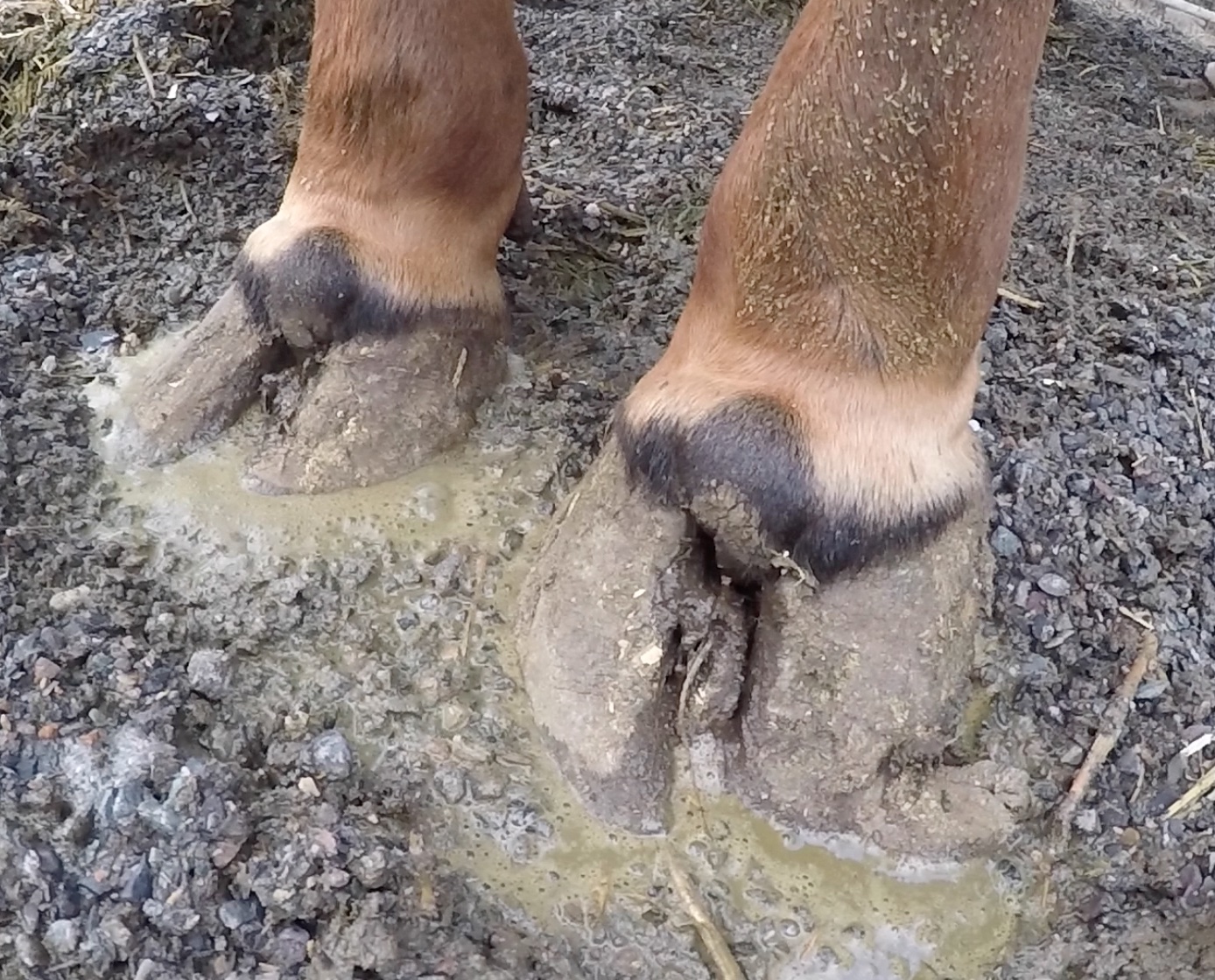
Solution: Regular examinations and professional hoof maintenance
Regulation: "Preventative hoof trimming (aiming to maintain correct weight bearing and minimize and prevent lesion development) is a key component of preventing lameness: examine hooves regularly and trim at least twice a year"
Better Floor for Barn
Problem: The barn floor does not allow for drainage, meaning urine builds up and water can't be used to clean
Solution: Cob floor over concrete with channels for urine away from cow areas and water out the door
Weekly Bed Cleaning
Problem: bedding is not removed regularly and soiled bedding is recycled
Consequence: Bedding is often saturated with urine, causing cows to get wet from lying down. bedding materials are not stocked in abundance leading to shortages during winter
Solution: Daily cleaning, weekly full barn cleanout
Regulation: "provide generous amounts of clean, dry bedding (the more the better and at least 5 cm [2 in]) to help prevent lameness and promote healing of injuries" and "replace or top up bedding if your knees get wet in 25 seconds of kneeling in the rest area (an indicator that bedding is too wet)"
Increase Barn Ventilation
Problem: the ceiling of the barn is plywood and does not allow sufficient ventilation. ammonia and other gases build up in the barn. humidity from cows gets trapped in the barn, condensation builds on the ceiling
Solution: Builder Michael suggested drilling holes to replace the function of cracks between boards
Regulation: "Good ventilation, whether natural or mechanical, brings in fresh air and effectively removes dust, airborne pathogens, gases, and excess heat and humidity (6). Dust and ammonia irritate animals’ eyes and respiratory tracts and can make cattle more susceptible to respiratory infections."
Wood Heaters
Problem: Barn is cold and wet in the 5 cold months of the year. The barn stays below 5 degrees when outdoor temp is below 0*C, and dips below 0*C when outside temps go under -20*C
Cows have no way of warming up and experience cold stress throughout the winter
Solution: Fulfill original design promise of "radiant floor heating using an outdoor wood powered furnace."
Propane heaters 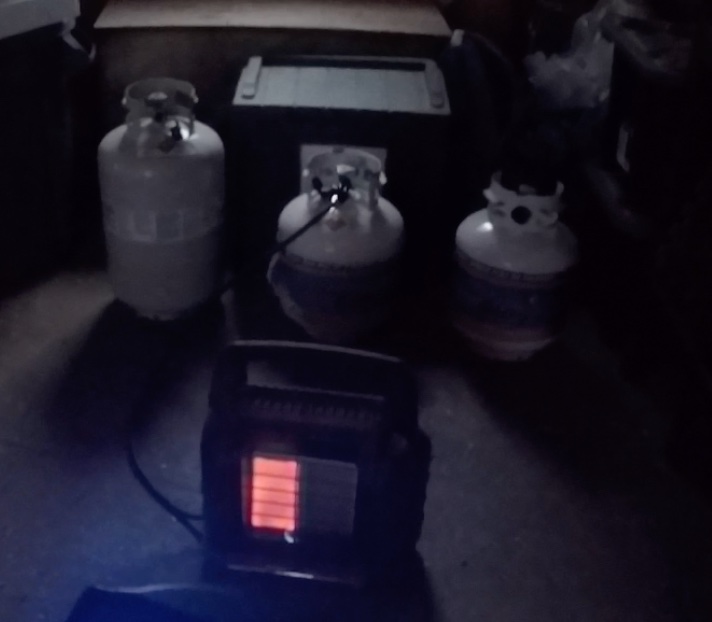
Problem: Goshala is running propane heaters 24/7 in winter without supervision or venting to keep water from freezing
Solution: Install Wood heater
Regulation: NEVER leave a Big Buddy heater unattended while it's burning, as stated in all manufacturer warnings, due to risks of fire, carbon monoxide (CO) buildup (though it's designed for indoor/vented use, CO is produced), and other combustion byproducts, requiring constant supervision, proper ventilation, and a working CO detector for safety, even for pilot light operation"
Separation for injured/old cows
Problem: subordinate cows are made to compete for basic needs, often with cows 3x the size
Solution: provide a safer and healthier environment for sick or injured cows
Regulation: "Sick, injured, or lame cattle benefit from being housed in areas that facilitate additional care and treatment and allow them to recuperate without having to compete for feed, water, and lying areas."
"The likelihood of recovery for any sick or injured animal is greatly influenced by the timeliness and quality of nursing care they receive . Down cattle need particularly attentive nursing care, including protection from herd mates (or moving them to a safe place in a humane manner), provision of easy access to feed and water, and ensuring that their posture is changed to prevent secondary issues from being recumbent. The time and emotional strain associated with caring for a down animal may need to be weighed against the impact it may have on your ability to provide high quality care to other cattle."
Land Stewardship
Problem: sandy gravel covering goshala area has sharp stones that damage hooves and sinks under cows weight
Solution: Put down larger, smooth round gravel in cows areas. Put down wood chips to absorb moisture
Grazing Management
pastures are unsupervised during high risk times for bloat: a dangerous buildup of gas in the rumen (stomach) that can't be released by belching (eructation), causing severe abdominal distension, difficulty breathing, and potential suffocation, often from eating lush, rapidly fermenting forages like clover or alfalfa
Portion Control Feeding
Problem: cows are left unsupervised when visitors come with unvetted food items
- locals dump compost/kitchen scraps from non-organic sources
- hay is given without portion control, ends up on the ground, subordinate cows forced to scavenge through muck and ingest harmful bacteria